
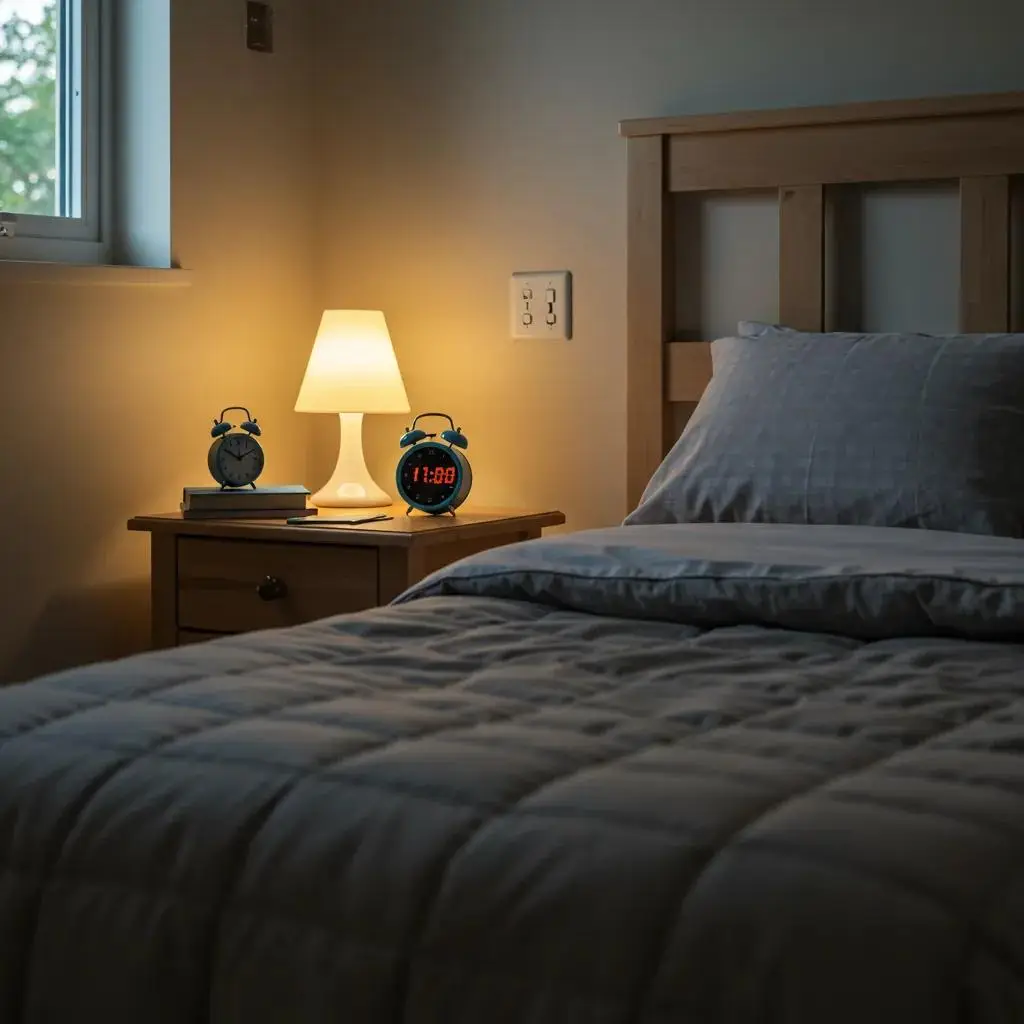
As autumn arrives, families know a familiar shift is coming: school schedules kick in, daylight hours change, and sleep routines need a tune-up to support focus and well-being. This guide will walk you through resetting your student’s sleep routine for a successful back-to-school season. We’ll cover why fall’s circadian shifts matter and how the right products from mattresses to bedding and adjustable bases can make a difference. Many parents notice their kids getting sleepy earlier or feeling groggy in the mornings as the days get shorter. Here, we’ll explain the science behind these changes, offer step-by-step schedule adjustments, and match product solutions to common sleep complaints. You’ll discover recommended sleep durations for different age groups, a practical week-by-week plan for getting back into the school groove, and tips for choosing mattresses, pillows, and adjustable bases that tackle issues like back pain, overheating, or snoring. Plus, we’ll highlight how Jacksonville Bedding can help with in-store mattress trials, our handy Mattress Match Quiz, and flexible financing options making it easy for Jacksonville families to take action on these recommendations.
Why Is Resetting Your Sleep Routine Crucial for Back-to-School Success?
Resetting sleep routines means syncing bedtime and wake times with a student’s natural body clock, ensuring they get enough quality sleep to support learning and health. Shorter daylight in the fall affects melatonin production, potentially making kids feel sleepy earlier in the evening. If schedules don’t adjust, this can impact their attention and memory. When sleep timing and duration align with what their bodies need, students tend to have better moods, remember more, and have stronger immune systems all vital for doing well in school. Understanding this connection helps parents prioritize consistent bedtimes and create sleep-friendly environments for a smoother school transition.
How Does Fall Affect Sleep Patterns and Our Internal Clocks?
Fall changes our exposure to light, which is the main signal for our internal body clocks (circadian rhythms). Less evening light means our bodies start producing melatonin earlier, which can make children feel sleepy sooner than their current schedule allows. This shift means biologically earlier bedtimes might be needed, but busy social schedules (like homework or after-school activities) often get in the way, leading to sleep debt and morning tiredness. Our circadian rhythm dictates our sleep-wake timing, and when light cues change without schedule adjustments, sleep timing and quality suffer. Recognizing this biological process points to simple fixes adjusting light exposure and gradually shifting sleep times to get back in sync before school demands ramp up.
What Are the Academic and Health Perks of Quality Sleep for Students?
Quality sleep is essential for students, helping their brains process and store information, manage emotions, and recover physically. Getting enough sleep strengthens learning by helping the brain lock in new information, reduces mood swings that can disrupt classroom behavior, and boosts the immune system to keep absences down. Recent research and expert guidelines consistently link good sleep to better grades, lower rates of depression and anxiety, and improved overall resilience. Knowing these benefits makes it clear why parents should view sleep resets as a top priority for their child’s academic success and health, not just a minor routine adjustment.
How Much Sleep Do Students Actually Need by Age Group?
The amount of sleep students need changes with age, and it directly impacts their behavior and focus at school. Matching sleep hours to age is key for performance and overall well-being. The chart below provides age-based guidelines that parents can use when setting bedtime and wake-up goals, and it answers common questions about how much sleep students need. Here’s how much sleep students need based on their age:
| Age Group | Recommended Hours |
|---|---|
| Preschool (3–5) | 10–13 hours |
| School-age (6–12) | 9–12 hours |
| Teen (13–18) | 8–10 hours |
Parents can gauge if their child is getting enough sleep by observing their alertness during the day, their mood stability, and their academic focus. If a child consistently seems tired or has trouble concentrating despite meeting these targets, it’s a good idea to consult a pediatric sleep specialist for further assessment.
How Can You Gently Adjust Your Child’s Sleep Schedule for a Smoother School Start?

Adjusting a child’s sleep schedule effectively involves a clear plan: make small, consistent changes to bedtime and wake times, manage evening light exposure, and create a relaxing pre-sleep routine that signals the body to prepare for sleep. Gradual shifts help avoid resistance and minimize daytime sleepiness during the adjustment period, while consistent cues like dimming lights, predictable activities, and limiting screen time before bed help solidify the new schedule. This approach leads to better sleep continuity and establishes habits that last throughout the school year. Parents who follow a clear plan often find the transition less stressful and more sustainable for both school nights and weekends.
What Are Smart Steps for Gradually Shifting Bedtime and Wake-Up Times?
A step-by-step adjustment plan involves moving bedtime and wake times 10–15 minutes earlier every two to three days until you reach the desired schedule. This gradual approach minimizes morning grogginess and helps maintain daytime energy levels. It’s crucial to be consistent on weekdays; try to keep weekend sleep times within 30–45 minutes of the weekday schedule to avoid the “social jet lag” effect. If mornings are still a struggle, combine earlier bedtimes with exposure to bright light first thing in the morning to reinforce the new rhythm our internal clocks adjust through both evening dimming and morning light cues. This gentle method yields reliable results without causing major disruptions to family life.
How Does Cutting Back on Screen Time Boost Melatonin Production?
The blue light emitted from screens in the evening can interfere with melatonin production and delay when your child falls asleep. Reducing screen time in the hour before bed helps support the natural rise of melatonin and allows for quicker sleep onset. Aim for a screen curfew 60–90 minutes before bedtime and offer alternatives like reading, quiet play, or listening to calming audio instead of using devices. Consistency is key: when devices are consistently put away or limited, melatonin timing normalizes, and it takes less time to fall asleep. These simple, evidence-based rules are something parents can implement right away to support their child’s sleep reset.
Blue Light Exposure and Sleep Disturbances in Students Engaging in Virtual Learning Exposure to blue light, a component of the full light spectrum, disrupts natural sleep cycles and circadian rhythms. The increasing prevalence of virtual learning has led to greater reliance on digital devices such as computers, phones, and tablets, which has been correlated with difficulties in sleep initiation and maintenance. On average, students spending 5-8 hours in remote learning are exposed to blue light that inhibits the production of melatonin, a hormone crucial for regulating sleep. As technology advances, traditional media like newspapers are increasingly supplanted by digital devices as primary information sources. Activities such as web browsing, social messaging, and digital communication contribute to an increase in insomnia symptoms and challenges with sleep duration. The surge in virtual learning ultimately amplifies screen time and blue light exposure. Students are transitioning away from traditional educational methods and are compelled to follow the protocols of remote learning. The emission of artificial blue light wavelengths… The Influence of Virtual Learning on the Rise in Screen Time Usage and Blue Light Exposure Ultimately Expanding Sleep Disturbances amongst Students, 2021
What Are Some Great Tips for Creating a Relaxing and Consistent Bedtime Routine?
A calming bedtime routine, lasting about 20–30 minutes, with predictable activities signals to the brain that sleep is coming and helps reduce the alertness that can keep sleep at bay. Include low-key activities like a warm bath, dim lighting, reading aloud, or simple relaxation exercises to help lower physiological arousal. Consistency is the most important factor: following the same sequence of activities every night creates strong cues that help speed up falling asleep and maintain sleep quality. Adjust the intensity and length of the routine based on age shorter for younger children and slightly longer wind-downs for teens to match their developmental needs and schedules.
How Can You Make the Bedroom the Perfect Sleep Haven for Fall?
Creating an ideal sleep environment for fall involves managing temperature, light, and bedding to ensure comfort and uninterrupted sleep. Aim for a cool, stable room temperature, use blackout curtains to block out early morning light that can cut sleep short, and layer bedding so your child can adjust warmth without getting too hot. Small changes like decluttering, minimizing noise, and choosing hypoallergenic bedding can also improve sleep continuity and reduce nighttime awakenings. These environmental adjustments work hand-in-hand with schedule changes and product choices to create a comprehensive sleep system.
When Should You Think About a Fall Mattress Upgrade for Better Student Sleep?

Upgrading a mattress can be a game-changer when issues like poor support, ongoing discomfort, or allergies are disrupting sleep quality. Fall, especially September, is an ideal time for mattress purchases because seasonal sales often mean more choices and better financing deals. Identifying the need for a new mattress involves looking for specific signs and understanding how different mattress types cater to common student needs whether they sleep on their side, are growing teens, tend to overheat, or experience back pain. Here are actionable signs, reasons for choosing this time of year, and a quick comparison to help you decide.
What Are the Signs You Might Need a New Mattress This Fall?
Recognizing when a mattress has reached the end of its life involves observing physical signs and noticing recurring symptoms: visible sagging or lumps, waking up with new or persistent aches, increased tossing and turning at night, or worsening allergy symptoms linked to the bed. Most mattresses are designed to last about 7–10 years, but it’s wise to evaluate replacement sooner if problems arise. Persistent morning stiffness or feeling pressure points are strong indicators. If a student reports lower sleep quality despite improvements in their routine, the condition of their mattress should be investigated as a likely culprit. Catching these signs early can prevent chronic sleep debt and ensure your schedule reset efforts are effective. Use this checklist to see if it’s time for a mattress replacement:
- The mattress shows visible sagging, lumps, or an uneven surface.
- Regular morning back or neck pain has started or worsened.
- You’re waking up more often, tossing and turning, or feeling too hot during sleep.
- Allergy symptoms improve when you’re away from the bed materials.
If these signs are present, it’s a good time to explore mattress alternatives or visit a store for an in-person trial to compare feel and support.
Why Is September the Prime Time to Buy Mattresses in Jacksonville?
September is a sweet spot for mattress shopping in Jacksonville, thanks to back-to-school promotions and seasonal sales that typically expand your options and offer attractive financing. Local retailers often refresh their showroom inventory after the summer rush, meaning a wider variety of models are available for in-store trials and direct comparisons. Buying in September also allows for delivery and setup before the most demanding school weeks begin, minimizing disruption. For families looking to upgrade their mattress as part of a sleep reset, this timing offers both selection and cost advantages that complement routine adjustments.
How Do Different Mattress Types Cater to Student Sleep Needs?
Different mattress constructions offer distinct benefits like pressure relief, cooling, or robust support so choosing the right type can significantly reduce pain and improve sleep continuity. Memory foam excels at pressure relief, especially for side sleepers, but can sometimes trap heat. Hybrid mattresses combine the support of coils with the comfort of foam, making them a great choice for active teens or those needing better spinal alignment. Latex provides responsive support and natural cooling, ideal for hot sleepers or those with allergies. The table below quickly maps common mattress types to their key features to help you make a faster decision.
| Mattress Type | Support | Cooling | Price Range | Best For |
|---|---|---|---|---|
| Memory foam | Pressure relief, contouring | Lower (can retain heat) | $$ | Side sleepers, those needing pressure relief |
| Hybrid (foam + coils) | Balanced support and responsiveness | Moderate | $$$ | Growing teens, sleepers who change positions |
| Latex | Responsive support, durability | Good (natural airflow) | $$$ | Hot sleepers, allergy-conscious individuals |
| Innerspring | Firm support, bouncy feel | High airflow | $–$$ | Stomach/back sleepers needing firmness |
This comparison helps parents connect specific symptoms like pressure pain, overheating, or sagging to mattress types that can resolve those issues, guiding their in-store trial selections.
Which Mattress Firmness Levels Are Best for Students?
Firmness should be selected based on sleep position and body type: side sleepers usually need a softer surface to cushion their shoulders and hips, back sleepers typically benefit from medium support to keep their spine aligned, and stomach sleepers require firmer surfaces to prevent their lower back from sinking too much. Growing teens might need slightly firmer cores with softer top layers to adapt to their changing bodies and posture, while lighter children may prefer softer comfort layers to avoid feeling pressure points. Testing firmness during timed in-store trials is essential because how a mattress feels is personal and depends heavily on its construction and support zones. After discussing signs and types, the next logical step is to explore how adjustable bases and specialized bedding can further enhance comfort and address specific seasonal sleep needs for students.
What Are the Advantages of Adjustable Bases and Bedding for Fall Sleep Comfort?
Adjustable bases and bedding suited for the season can build upon the benefits of your routine and mattress by improving breathing, circulation, and thermal comfort as temperatures change. Adjustable bases allow you to elevate your head or feet to ease reflux, reduce snoring, and boost circulation, while bedding choices like pillow materials, sheet weaves, and comforter fills help manage warmth without overheating. Together, these product categories create a personalized sleep system that supports good sleep hygiene during cooler months while offering flexibility for changing nighttime conditions. Understanding how each feature addresses specific symptoms helps parents choose the right combination for their child’s needs.
How Do Adjustable Bases Enhance Personalized Sleep Comfort?
Adjustable bases let you incrementally raise your head and feet, which can help with acid reflux, reduce airway collapse that leads to snoring, and improve circulation for those who experience restless legs. Features like zero-gravity positioning and programmable inclines support customized comfort preferences and can minimize disruptive awakenings for sensitive sleepers. For students who struggle with positional breathing issues or nighttime congestion, elevation offers a simple, non-invasive way to improve airflow and sleep continuity. Trying out a demo adjustable base in-store can help you understand how specific incline settings affect breathing and comfort before making a purchase. Here’s a quick look at essential bedding items and tips before we dive into specifics:
| Product | Benefit | Seasonal Use & Care |
|---|---|---|
| Adjustable base | Elevation for reflux and snoring relief | Use during cooler months for better breathing; follow manufacturer’s care instructions |
| Cooling pillow | Head/neck support with breathable fill | Opt for breathable fills during transitional weather; machine wash as label directs for continued softness |
| Flannel sheets | Warmth without overheating | Layer with breathable top sheets; wash according to label to maintain softness |
| Lightweight comforter | Insulation with breathability | Use with layers to adjust for nightly temperature fluctuations |
These product pairings show how different elements can be combined to create effective comfort solutions for fall sleep adjustments.
Which Bedding Essentials Promote Better Sleep Hygiene in Cooler Months?
Choosing bedding that balances warmth and breathability is key for optimal fall sleep. Opt for cotton or Tencel sheets for moisture-wicking, flannel for added coziness when needed, and medium-weight comforters layered with a breathable duvet cover to prevent overheating on nights with fluctuating temperatures. Pillow selection is also important for spinal alignment side sleepers generally need thicker, more supportive pillows, while back sleepers do well with medium loft for neck support; cooling pillow options are great for students who tend to sleep hot. Regular washing and using allergen-proof covers can reduce dust mite irritation that might disrupt sleep. Layering bedding and choosing the right materials work together to maintain comfortable temperatures and good hygiene as the seasons change.
How Can Jacksonville Bedding Help You Select the Perfect Sleep Products?
Jacksonville Bedding offers local shoppers personalized support through in-store trials, one-on-one consultations, and an online Mattress Match Quiz designed to help you narrow down your options before you even visit the showroom. The in-store experience allows you to physically test mattresses and adjustable bases in realistic conditions, while the quiz helps identify product categories that align with your sleep position, pain points, and comfort preferences. We also offer financing options to help spread the cost of your mattress, adjustable base, and bedding purchases, making higher-quality sleep solutions more accessible. For families in Jacksonville, combining these tools streamlines the process from identifying your needs to finding a comfortable, tested sleep setup.
How Does Jacksonville Bedding Support Your Back-to-School Sleep Reset?
Jacksonville Bedding is your local partner dedicated to helping families find sleep products that enhance rest and improve daytime function. We offer personalized service and hands-on evaluations to ensure you make the best choices. As a locally-owned business committed to helping customers wake up feeling refreshed and pain-free, we combine a wide selection of products, in-store mattress trials, and expert guidance to match you with the ideal sleep system. Our approach emphasizes consultation, offering top mattress brands, and providing practical financing options to make purchasing easier. These services are designed to complement the sleep-reset strategies we’ve discussed, giving you the confidence to implement schedule and product changes effectively.
What Makes Jacksonville Bedding a Go-To Local Sleep Expert?
Jacksonville Bedding stands out with its personalized service, a broad selection of top mattress brands available for you to try in-store, and local expertise that understands the unique needs of Jacksonville families throughout the year. Our in-person consultations guide shoppers through mattress layers, firmness levels, and adjustable base features, ensuring your choices align perfectly with student sleep patterns and specific issues. As both an information resource and a place to find quality sleep products, we provide advice that connects sleep science with practical solutions. This local, hands-on approach reduces guesswork and speeds up the journey from identifying a sleep problem to finding a proven solution.
How Does an In-Store Mattress Trial Enhance Your Sleep Product Selection?
An in-store mattress trial is invaluable because it allows you to experience firsthand how a mattress feels in terms of support, pressure relief, and temperature regulation across different positions and for extended periods details that manufacturer specs alone can’t fully convey. During a trial, testing various sleep positions for at least 10–20 minutes helps reveal any pressure points, how motion transfers, and whether your spine stays aligned. Comparing similar firmness levels across different constructions highlights the right balance for a student’s body type. Trying out adjustable bases with mattresses demonstrates how different elevation settings impact comfort and breathing. These practical trials transform abstract features into tangible, comparable experiences, empowering you to make a confident purchase.
What Financing Options Are Available for Your Mattress and Bedding Purchases?
We offer financing as a practical way to make higher-quality mattresses, adjustable bases, and bedding more accessible. By spreading the cost over time, financing allows you to invest in sleep systems that better address your specific sleep issues, rather than settling for less effective options due to immediate budget constraints. Investing in durable, supportive sleep solutions can lead to long-term benefits like reduced back pain and improved sleep quality. For the most current terms and offers, we encourage you to inquire directly in-store or explore our available online tools. We frame financing as a means to access effective, tested solutions, supporting health-focused decision-making for the school year.
How Can You Leverage the Mattress Match Quiz to Discover Your Ideal Sleep Setup?
The Mattress Match Quiz is designed to gather key information like your preferred sleep position, common issues (such as back pain or overheating), firmness preferences, and budget to recommend specific mattress types and bedding categories that best suit your needs. As an initial step, the quiz helps narrow down your choices and points you toward models worth testing in-store, saving you time and making your trial more efficient. Following up the quiz results with an in-person trial confirms the perfect fit and allows you to compare adjustable base options and bedding pairings. This two-step approach—quiz followed by trial—combines data-driven recommendations with real-world confirmation for a confident selection.
What Are Common Fall Sleep Problems and How Can You Tackle Them?
Common sleep challenges during the fall season and for students include increased fatigue from mismatched schedules, back pain due to inadequate support, snoring or breathing difficulties, and insomnia triggered by stress or inconsistent routines. Each of these issues can be addressed with a combination of behavioral changes like sticking to consistent schedules, managing light exposure, and timing activities wisely and product solutions such as supportive mattresses, adjustable bases, and specialized pillows. Identifying problems early and implementing a plan that combines routine adjustments with the right products can prevent chronic sleep debt and boost academic resilience. The strategies below link specific problems to evidence-based actions and product interventions.
How Can a Supportive Mattress Help Ease Back Pain and Improve Sleep?
A supportive mattress keeps your spine in a neutral alignment while cushioning your shoulders and hips, reducing the physical stress that leads to morning stiffness and chronic pain. Mattresses with zoned support and medium-firm cores often strike the right balance between contouring and support, which is ideal for teenagers experiencing growth-related discomfort or posture changes. Testing your spinal alignment during an in-store trial lie in your usual sleep positions and check if your lower back is properly supported without feeling pressure points helps confirm if the mattress is adequate. When mattress improvements are combined with consistent sleep routines, pain-related awakenings tend to decrease, leading to better overall sleep continuity.
What Are Effective Solutions for Snoring and Restless Sleep in Students?
Positional strategies, such as sleeping on your side and elevating your head, can reduce snoring for many students. Adjustable bases offer controlled elevation to help open the airway and improve breathing. Supportive pillows that maintain neck alignment and specialized anti-snore pillows can complement these positional changes. Addressing allergies or nasal congestion through environmental controls can also reduce airway resistance. While persistent or severe snoring warrants a medical evaluation, product and routine adjustments can often lessen symptom severity and restore better sleep. Combining elevation, positional training, and bedding adjustments can address both short-term and ongoing restless sleep issues.
How Can Consistent Sleep Routines Reduce Insomnia and Fatigue?
Consistent sleep routines help regulate our internal body clocks, reduce the time it takes to fall asleep, and stabilize sleep patterns, which combats chronic insomnia and daytime fatigue. A structured routine including a fixed wake time, gradually earlier bedtimes, a calming evening wind-down, and controlled light exposure helps reduce the mental and physical arousal that can delay sleep onset. Maintaining these routines through busy school weeks requires setting clear household rules for screens and activities, and using environmental cues (like lighting and sound) to reinforce bedtime. When routines are stable and paired with the right bedding and mattress support, improvements in sleep duration and daytime functioning typically follow.
What Are Expert Tips for Keeping Sleep Healthy During the Fall School Season?
Maintaining good sleep health during the school year involves consistent schedules, paying attention to daytime activities and diet, and employing practical parental strategies that enforce routines while accommodating academic demands. Regular physical activity earlier in the day promotes deeper sleep and reduces the time it takes to fall asleep, while limiting caffeine and large evening meals prevents sleep disruption. Parents should establish clear, age-appropriate rules for screen time, create consistent bedtime cues, and utilize local resources like educational tools, mattress trials, and quizzes to overcome product-related challenges. These combined strategies help sustain the benefits of an initial sleep reset and adapt to seasonal changes throughout the school year.
How Does a Consistent Bedtime Regulate Our Internal Clock and Melatonin?
Consistent bedtimes act as anchors for our circadian clock by providing reliable timing cues that synchronize melatonin release with sleep opportunities. This leads to quicker sleep onset and improved sleep efficiency. The timing of light exposure complements bedtime consistency: bright mornings and dim evenings strengthen the body’s rhythm, while erratic schedules weaken it. In practice, setting a fixed wake time first and then gradually shifting bedtime helps maintain daytime function while realigning melatonin timing. These behavioral anchors are fundamental to all other interventions because they establish the temporal framework within which bedding and mattress choices can deliver maximum benefit.
What Role Does Physical Activity Play in Enhancing Student Sleep?
Engaging in physical activity during the day increases sleep pressure and improves sleep depth, reducing the time it takes to fall asleep and minimizing nighttime awakenings when done at the right time. Moderate to vigorous exercise in the afternoon hours is particularly effective, whereas intense workouts late in the evening can be too stimulating for some students and delay sleep onset. Choosing activities that fit into school schedules like walking, playing sports, or active play also supports mood regulation and metabolic health, both of which influence sleep quality. Incorporating regular daytime movement complements sleep scheduling and product interventions by ensuring the body is physiologically ready for restorative sleep.
How Can Parents Support Healthy Sleep Habits for Families in Jacksonville?
Parents can foster healthy sleep habits by enforcing consistent schedules, setting screen curfews, optimizing bedroom environments for fall, and using local resources like in-store trials and the Mattress Match Quiz to resolve product-related issues. Understanding regional seasonal patterns and school schedules helps families plan adjustments in September and maintain routines through holiday breaks. Encouraging daytime activity, monitoring caffeine intake, and selecting appropriate bedding and supportive mattresses all contribute to better sleep health. When product needs arise, Jacksonville Bedding’s local services offer practical next steps to test and choose solutions that fit your family’s sleep reset plan.
- Establish a consistent wake time and gradually shift bedtime 10–15 minutes earlier every few days until it aligns with recommended sleep durations.
- Implement a 60–90 minute screen curfew before bed and replace device time with calm, low-light activities.
- Optimize the bedroom environment: ensure a cool temperature, use blackout shades, layer bedding for adjustability, and address allergens as needed.
- Test mattress and adjustable base options through in-store trials and utilize guided quizzes to help narrow down your choices.
These actionable steps transform the guidance in this article into a manageable checklist that parents can implement right away to improve student sleep for the fall season.