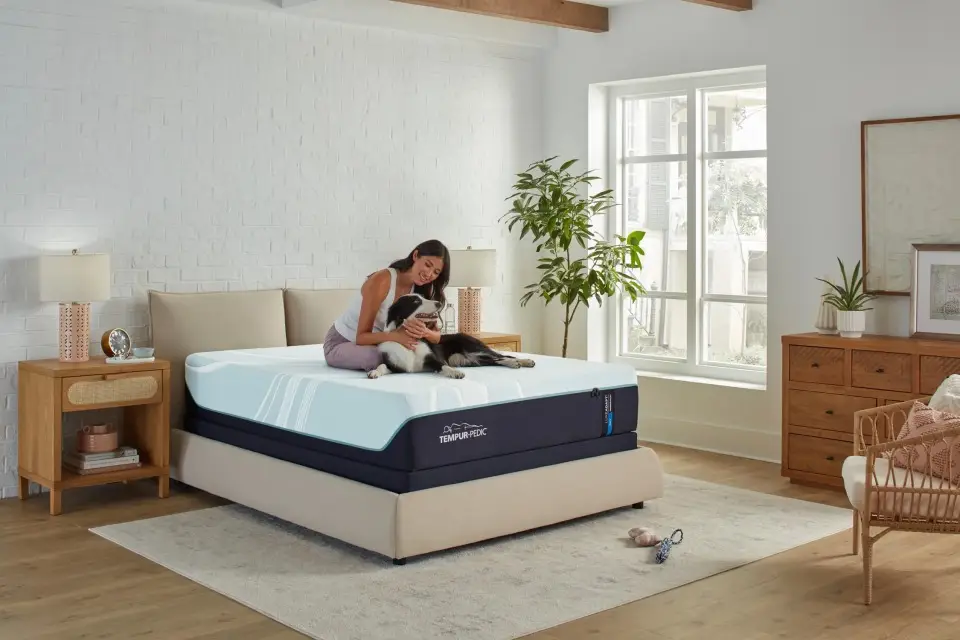
Beat the Summer Heat: How to Choose a Mattress That Keeps You Cool
Struggling with a mattress that traps heat and leaves you tossing and turning? Hot sleepers know the frustration of night sweats and interrupted rest. A cooling mattress is your secret weapon to lower surface temperatures and reclaim uninterrupted sleep. This guide dives into how cooling technologies work, why they’re crucial for your sleep health, and which mattress and bedding combinations offer the most relief for those who overheat. You’ll discover how gel-infused foams, phase change materials, open-cell designs, hybrids, latex, and breathable covers work together to whisk heat away. We’ll help you match these technologies to your preferred sleep position, firmness needs, and budget. Plus, get practical tips on evaluating cooling performance in-store, how your bedding and protectors can boost your mattress’s cooling power, and which models and accessories you can test right here in Jacksonville. We’ll even map cooling mattress types to real products available locally and show you how Jacksonville Bedding supports your quest for cool sleep with personalized fittings, our Mattress Match Quiz, and complementary bedding. Throughout, we’ll weave in keywords like cooling mattress technology, best mattress for hot sleepers, breathable bedding Jacksonville, and do cooling mattresses work, all to help you conquer the summer heat.
Why Do We Sleep Hot and How Does It Affect Sleep Quality?
A cool sleep surface is absolutely vital because your body’s natural temperature regulation directly impacts your sleep cycles. When your core temperature doesn’t drop as it should, deep sleep and REM stages get cut short, leading to less recovery and a groggy feeling during the day. Feeling too warm at night can stem from a mix of your body’s natural processes, your bedroom environment, and your bedding choices, with your mattress playing a starring role in either trapping or releasing heat. Understanding these factors helps you prioritize solutions—start with your room’s climate, then focus on your mattress and bedding, and always consult a doctor if night sweats persist. The following sections break down the common culprits, how they affect your sleep, and practical ways to control your room and bedding for that perfect sleep microclimate.
What Causes Overheating and Night Sweats During Sleep?
Overheating and night sweats can be caused by a variety of factors, including the materials in your mattress, the humidity and temperature in your bedroom, your lifestyle, and sometimes even underlying medical conditions affecting your body’s ability to regulate temperature. Dense traditional memory foam, for instance, can trap heat because it limits airflow and relies on conduction to move heat away. In contrast, open-cell foams and coil systems encourage ventilation and faster heat dissipation. Your environment plays a big role too; humid Jacksonville summers make evaporative cooling less effective, making a breathable mattress and moisture-wicking bedding even more critical. If your symptoms are sudden or severe, it’s wise to seek medical advice, but for many hot sleepers, simply changing mattress materials and bedding can significantly reduce nighttime overheating.
Phase Change Material Mattresses for Thermoregulation and Sleep Quality
The integration of phase change materials (PCMs) enhances thermoregulation and improves sleep quality [2]. A primary factor contributing to sleep disruption is the thermal environment of the mattress, which can induce discomfort and musculoskeletal issues [3]. Current research indicates that contemporary lifestyle habits, such as excessive mobile device usage and prolonged gaming, exacerbate sleep disturbances [4]. Studies reveal that the majority of mattress consumers are females aged 20–30 with incomes below 100,000, who prioritize health, quality, and eco-friendly, recyclable products [5]. PCMs function by absorbing and releasing thermal energy to regulate mattress temperature, thereby ensuring sustained comfort, particularly in extreme climatic conditions or residences lacking climate control.
Experimental investigation on thermal performance of polyurethane foam mattresses with PCM, M Raja, 2025
How Does Body Temperature Impact Sleep Health?
Your body’s core temperature naturally dips as you prepare for sleep, signaling your system to enter deep, restorative stages. When this cooling process is hindered, it interferes with slow-wave and REM sleep, impacting memory consolidation and physical recovery. Even slight increases in skin or surface temperature can disrupt sleep and shorten continuous sleep periods, leading to daytime fatigue and cognitive fog over time. For hot sleepers, the temperature of your mattress surface is a key factor you can control, as it’s the primary point of heat exchange. Improving this microclimate supports your body’s natural thermoregulation and guides you toward smart mattress and bedding choices.
Why Is a Cool Sleep Environment Essential for Hot Sleepers?
A cool sleep environment is a trifecta of ambient temperature control, good ventilation, and smart bedding choices, all working together to create a microclimate that supports your body’s natural cooling process and minimizes awakenings. Start with room strategies that balance airflow, humidity control, and lightweight, breathable layers—these simple adjustments can offer immediate relief while you explore mattress options. If these measures aren’t enough, selecting a mattress with built-in cooling layers, a breathable cover, or a hybrid coil system offers a more lasting solution for your sleep microclimate. The next section will walk you through the core cooling mattress technologies you’ll encounter.
What Are the Key Cooling Mattress Technologies in 2025?
By 2025, cooling mattress technologies have evolved to include gel infusion, phase change materials (PCM), open-cell foams, hybrid coil constructions, latex, and advanced cover fabrics. Each employs different methods—like heat absorption, thermal buffering, airflow channels, or moisture-wicking—to lower surface temperature and enhance sleep quality. Their effectiveness can vary based on the specific mechanism and how the layers are combined. For example, PCM and cool covers help buffer surface heat, gel layers boost heat conduction away from your body, open-cell and coil systems promote airflow, and latex offers natural breathability.
This table offers a quick comparison of these technologies and their practical benefits, helping you scan the differences and match them to your personal needs and sleep position.
Technology
Mechanism
Practical Benefit
Gel-infused memory foam
Heat conduction via embedded gel
Reduces surface warmth; ideal for those who love memory foam feel but want less heat
Phase Change Material (PCM)
Thermal buffering at target temp
Stabilizes surface temperature during heat spikes; perfect for moderate overheating
Open-cell foam
Internal air channels increase breathability
Boosts airflow within foam layers to minimize trapped heat
Hybrid (coils + foam)
Bulk airflow through coil unit + zoned foam layers
Excellent for aggressive heat dissipation and support for combination sleepers
Latex
Naturally porous, responsive structure
Provides breathable, resilient support with minimal heat retention
Cooling covers (Tencel/bamboo/PCM)
Surface moisture wicking and thermal buffering
Offers an immediate cool-to-touch sensation and improved microclimate
As you can see, hybrids and open-cell designs generally offer the best raw airflow, while PCM and cooling covers excel at smoothing out temperature fluctuations. Your choice hinges on whether you prioritize active airflow or surface-level buffering. Next, we’ll break down each technology in more detail.
How Does Gel-Infused Memory Foam Regulate Temperature?
Gel-infused memory foam incorporates gel beads or layers directly into the foam. This boosts heat conduction away from your body and increases the foam’s thermal mass, creating a cooler initial feel. The gel works by channeling heat through its medium and into cooler parts of the mattress where it can dissipate, reducing perceived warmth for many users. This is a great option for side sleepers who want pressure relief without the excessive heat often associated with dense memory foam. However, if the underlying foam is still dense and lacks ventilation, the cooling effect can diminish over time. When looking at gel-infused designs, pay attention to the thickness and breathability of the gel layer in relation to the supportive layers beneath.
What Is Phase Change Material and How Does It Work?
Phase change materials (PCM) are specially engineered substances found in mattress covers or layers that absorb or release latent heat at a specific temperature. This process stabilizes the sleeping surface and delays temperature spikes. Think of PCM as a thermal buffer: when the surface warms up, the PCM absorbs energy by changing its physical state (phase) and holds onto that heat. As the surface cools, it gradually releases the stored energy. This provides a noticeable cooling effect without needing active airflow and is often integrated into premium fabrics like SmartClimate or Pure Cool. PCM is most effective at moderating short-term heat increases rather than continuously removing large amounts of heat in very warm, humid conditions.
How Do Open-Cell Foam and Hybrid Mattresses Enhance Airflow?
Open-cell foam features internal channels and a less dense cell structure, allowing air to move freely within the foam. This significantly reduces heat buildup compared to closed-cell memory foam, which tends to trap heat. Hybrid mattresses, on the other hand, combine foam comfort layers with a supportive coil system. The coil layer creates ample airflow pathways beneath you, facilitating convective heat transfer and faster heat dissipation. Hybrids are particularly well-suited for combination sleepers who need both cooling and zoned support, as the coil core prevents widespread heat retention while the comfort layers provide pressure relief. When testing hybrids, consider whether the comfort layers themselves utilize breathable foams or PCM to further enhance the cooling effect of the coil unit.
What Are the Benefits of Latex and Innerspring Mattresses for Cooling?
Latex mattresses are naturally more breathable due to their open, resilient structure. They also rebound quickly, minimizing prolonged skin contact and localized heat buildup, which contributes to better thermoregulation throughout the night. Innerspring or coil-based mattresses promote significant airflow through their coil architecture and pair exceptionally well with breathable covers to create a complete cool-sleep system. Both latex and innerspring options tend to be durable and are excellent choices for hot sleepers who prefer a more responsive surface with less sinking. When choosing latex, consider eco-friendly and allergy factors, and always evaluate the cover fabrics to ensure maximum moisture-wicking and air circulation.
Which Are the Best Cooling Mattresses for Hot Sleepers in Jacksonville?
For Jacksonville shoppers, the top cooling mattresses often combine PCM or cool covers with ventilated foams or coil cores to tackle various overheating issues. Being able to test these models in person locally allows you to compare their cooling performance side-by-side.
Here’s a look at some product models and their cooling features, mapped for our local shoppers:
Hot sleepers who prefer responsive, eco-friendly options
This table highlights how the Tempur-Pedic Breeze Collection focuses on cover and PCM buffering, while the Brooklyn Bedding Aurora Luxe aims for layered, aggressive cooling. Both are readily available for you to try out in our store. Next, we’ll delve into each model’s specific cooling approach to help you determine the best fit.
What Cooling Features Does the Tempur-Pedic Breeze Collection Offer?
The Tempur-Pedic Breeze Collection utilizes proprietary cover and layer technologies, often referred to as Pure Cool surfaces and SmartClimate/PCM layers. These features work to buffer temperature and provide a cool-to-the-touch sensation, effectively moderating heat right at the mattress interface. The primary mechanism here is thermal buffering, not aggressive airflow. PCM technology captures and holds excess heat, releasing it gradually to prevent surface temperature spikes and enhance the feeling of coolness. This approach is ideal for sleepers who love the classic memory foam feel but need help managing surface temperature, especially in a climate-controlled room. Visiting our Jacksonville showroom to test a Breeze model will help you decide if buffering or active airflow is more crucial for your specific overheating needs.
How Does Brooklyn Bedding Aurora Luxe Provide Advanced Cooling?
The Brooklyn Bedding Aurora Luxe employs a multi-layered cooling strategy. It combines breathable foams, gel infusions, and ventilated support structures to actively draw heat away from the sleeper and increase convective airflow. This layered construction targets both surface temperature and deeper heat transfer, making it a powerful option for those who need intense cooling combined with zoned support for various sleep positions. For combination sleepers or couples with different temperature preferences, the Aurora Luxe often performs exceptionally well. Its hybrid airflow design minimizes overall heat retention, while the comfort layers are engineered for rapid heat dissipation. An in-store comparison can help you confirm its cooling effectiveness in your typical sleep positions.
What Cooling Mattresses Does Jacksonville Bedding Recommend for Hot Sleepers?
At Jacksonville Bedding, we recommend matching mattress technology to your specific overheating patterns and sleep profile. For intense night sweats, we suggest open-cell or hybrid constructions. For moderate surface warmth, gel-infused foams or those with PCM covers are excellent choices. We always encourage in-store trials to see how you personally respond to each option. Our local selection includes top performers like the Tempur-Pedic Breeze Collection and Brooklyn Bedding Aurora Luxe, alongside supportive hybrids and latex models that offer different cooling benefits. Don’t forget to try our Mattress Match Quiz to narrow down your choices based on sleep position and heat sensitivity, then test your top picks in-store with cooling bedding to simulate your home environment and ensure perfect comfort before you buy.
How Can You Try Cooling Mattresses In-Store Before Buying?
An effective in-store trial focuses on how the mattress feels immediately, how well it relieves pressure, and its breathability in your typical sleep positions, ideally with the types of sheets and pillows you use at home. Spend about 10–15 minutes lying in your usual sleeping positions, paying attention to the surface warmth, and ask our staff to demonstrate any adjustable settings or bedding combinations. Notice how quickly the surface returns to a neutral temperature after you get up. Use this checklist during your trials to compare models objectively and ask about adjustable bases to see if sleep position changes affect the cooling performance. The next section will show you how bedding and protectors can further enhance your mattress’s cooling capabilities.
Here’s your checklist for in-store testing:
Lie in your usual sleep position for 10–15 minutes to assess the sustained feel.
Evaluate the initial surface temperature and how quickly it returns to neutral after you get up.
Ask to test with breathability-enhancing sheets and a pillow to simulate your home setup.
Request a demonstration of adjustable bases if you plan to use one at home.
Use this checklist to keep your comparisons consistent. Testing with the same bedding and positions will give you the clearest picture of real-world cooling performance.
How Do Cooling Bedding and Accessories Improve Sleep Comfort?
Bedding and accessories are key partners to a cooling mattress, working together to manage moisture, boost surface airflow, and add extra thermal buffering. Together, they create a complete cool-sleep system that often delivers greater benefits than a mattress upgrade alone. Sheets made from materials like bamboo, Tencel, or linen, as well as lightweight cotton, effectively manage moisture and provide a cool feel against your skin. Cooling pillows often incorporate gel or PCM technology to match your mattress’s cooling power, while breathable mattress protectors keep your mattress fresh without hindering airflow. Below, you’ll find a focused comparison of common bedding products and their cooling benefits to help you pair them perfectly with your mattress choice.
Compare these bedding & protector options:
Product
Material / Tech
Cooling Benefit
Best For
Shop
Cariloha Classic Bamboo Pillowcase
Viscose from bamboo (naturally breathable, moisture-wicking)
Breathes around your face/neck and helps disperse humidity
Warm heads/neck; pairing with a cooling pillow core
This table illustrates how combining a cooling mattress with Bedgear protectors or Dreamfit StaDry/StaKool sheets can significantly enhance your overall sleep microclimate, leading to more consistent cooling night after night. In the next subsections, we’ll explore sheets, pillows, and protectors in more detail.
What Are the Best Breathable Sheets for Summer Nights?
Breathable sheets made from bamboo and Tencel are fantastic choices for summer nights, offering superior moisture-wicking and a cool-to-the-touch feel that helps reduce surface heat buildup and improve sleep comfort, especially during humid Jacksonville summers. Linen is also highly breathable and excellent for airflow, though its texture is something to consider. Cotton percale weaves provide good breathability compared to heavier sateen weaves. When selecting sheets, prioritize the fabric and weave over thread count—lighter percale or performance-treated fibers generally yield better cooling results. Pairing these breathable sheets with a well-ventilated mattress will amplify your overall temperature control.
How Do Cooling Pillows Help Hot Sleepers Stay Comfortable?
Cooling pillows use features like gel inserts, PCM, or breathable fills to lower the surface temperature around your head and neck. This complements your mattress’s cooling efforts because head temperature plays a significant role in both falling asleep and staying asleep. It’s important to match the pillow type to your sleep position: side sleepers often need taller, supportive fills with breathable covers; back sleepers do well with medium loft and cooling cores; and stomach sleepers benefit from lower-profile options that minimize heat trapping. Regularly airing and washing your pillow covers helps maintain their performance. When combined with a cooling mattress and breathable sheets, the right pillow completes your ultimate cool-sleep system.
Which Mattress Protectors Keep You Cool and Protect Your Bed?
Mattress protectors designed for cooling typically use moisture-wicking fabrics or specialized coatings instead of traditional impermeable membranes, which can trap heat and counteract your mattress’s cooling design. Brands like Bedgear and Dreamfit offer performance protectors and pillowcases with advanced moisture management technologies. Bedgear’s performance protectors focus on wicking away moisture, while Dreamfit’s StaDry and StaKool technologies prioritize surface cooling and dryness. When choosing a protector, look for one that balances effective protection with breathability. If you require waterproofing for medical reasons, be aware there might be a slight trade-off in breathability, or opt for protectors specifically engineered to maximize airflow.
How to Choose Your Perfect Cooling Mattress: Factors to Consider
Selecting the ideal cooling mattress involves balancing advanced cooling technology with the right firmness for your sleep position, considering your budget, and validating your choice through trials and testing. This structured approach helps you prioritize features that will effectively reduce overheating while ensuring you get the proper support. Start by matching your sleep position and heat sensitivity to specific technologies—hybrids and latex are great for aggressive airflow, while PCM and cool covers offer excellent buffering. Also, consider any differences in temperature preference with a partner and whether an adjustable base might enhance your sleep setup. Utilize the Mattress Match Quiz to narrow down your options based on sleep position and heat sensitivity, then confirm your choice with in-store trials and by testing with your preferred bedding. The following sections provide a step-by-step checklist and budgeting guidance.
Use this decision checklist to choose your cooling mattress:
Identify your primary sleep position and your level of heat sensitivity.
Match the technology: hybrids or latex for high heat, PCM or cool covers for moderate heat.
Confirm the firmness level that will maintain proper spinal alignment for your position.
Take the Mattress Match Quiz and schedule an in-store trial to validate your fit.
This process ensures you align cooling performance with your support needs before making a purchase. The next subsections will expand on firmness, budget considerations, the value of in-store expertise, and how the Mattress Match Quiz can be your guide.
What Mattress Firmness and Sleep Position Work Best for Hot Sleepers?
Firmness plays a role in cooling because sinking too deeply into a mattress increases skin contact and can trap heat. Side sleepers often benefit from softer top layers for pressure relief, but it’s crucial to pair these with breathable materials. Back and combination sleepers typically prefer medium-firm options that maintain airflow and proper alignment. Stomach sleepers need firmer support to prevent excessive sinkage and heat buildup around the torso. Consider how a mattress’s comfort layers and cooling features work in tandem—soft foam that traps heat might be detrimental for side sleepers unless it’s combined with open-cell technology or PCM covers. Choosing the right firmness not only reduces pressure points but also allows cooling technologies to function at their best.
How Does Budget Influence Your Cooling Mattress Choice?
Generally, budget tiers correlate with the sophistication of cooling technology. Entry-level options might feature toppers or basic gel infusions, mid-range models often incorporate targeted cooling layers or hybrid cores, and premium beds typically include PCM covers and advanced multi-layer thermal management systems. You can achieve significant cooling benefits within the mid-range by focusing on hybrids with ventilated support and breathable comfort layers. These often provide excellent airflow without the higher cost associated with fully engineered PCM covers. Prioritize the cooling mechanism that best suits your needs over brand name alone—the right technology is far more important than the label when it comes to reducing overheating.
Why Is In-Store Trial and Personalized Expertise Important?
An in-store trial combined with expert consultation allows you to evaluate cooling performance under realistic conditions and receive professional guidance on matching the right technology to your specific sleep challenges. This significantly reduces the chance of purchase regret and speeds up your journey to better sleep. Our trained staff can help you understand how a mattress’s cooling features align with your personal profile and can suggest adjustable bases or bedding pairings that can further enhance the cooling effect. Jacksonville Bedding’s try-before-you-buy experience in our showroom supports hands-on comparison and lets you test models with recommended sheets and protectors to simulate your home’s microclimate. Bringing the insights gained from an informed trial into your purchase decision leads to greater long-term satisfaction.
How Can the Mattress Match Quiz Help You Find the Right Cooling Mattress?
The Mattress Match Quiz is designed to gather key information about your sleep position, firmness preferences, heat sensitivity, and any partner-sleep considerations. It then narrows down our mattress selection to a manageable shortlist based on technological fit and comfort profile. The quiz results will guide you toward recommended technologies—for instance, hybrid ventilated cores for heavy sweating or PCM-covered foams for surface buffering—providing you with a pre-visit checklist for your in-store trials. Use the quiz output to request specific models when you visit our showroom, and bring your personalized checklist for objective comparisons. This approach effectively combines algorithmic filtering with hands-on validation for the best possible outcome.
What Makes Jacksonville Bedding Your Local Expert for Cooling Sleep Solutions?
Jacksonville Bedding brings together local retail expertise, a carefully selected range of brands, in-store try-before-you-buy options, and flexible financing to guide hot sleepers from initial research to final purchase, complete with practical testing and ongoing support. As a locally owned mattress and bedding retailer serving Jacksonville, FL, for over 30 years, we pride ourselves on personalized service that matches the right mattress technologies to your unique sleep needs. Our product selection features top cooling lines like the Tempur-Pedic Breeze Collection and Brooklyn Bedding Aurora Luxe, alongside essential bedding products and protective accessories that complete your cooling system. Below, you’ll find details on our services, the brands we carry, and how local customers typically experience improved cooling and comfort.
How Does Jacksonville Bedding Support Hot Sleepers with Personalized Service?
At Jacksonville Bedding, we offer consultative fittings where our knowledgeable staff assess your sleep position, heat concerns, and bedroom environment to recommend the ideal mattress technologies and accessory pairings to combat overheating. We facilitate in-store trials with recommended bedding and provide demonstrations of adjustable bases, along with flexible financing options to make premium cooling solutions more accessible. This personalized journey—from the quiz to consultation, trial, and purchase—empowers you to validate cooling performance before committing. Our follow-up support ensures your chosen system continues to meet your sleep goals. Our store’s local focus emphasizes hands-on testing and tailored recommendations specifically for Jacksonville’s humid climate.
Which Top Cooling Brands Are Available Locally at Jacksonville Bedding?
Jacksonville Bedding offers a curated selection of cooling-focused brands, each representing a different technological approach to heat management. The Tempur-Pedic Breeze Collection excels with PCM and cover-level buffering, while the Brooklyn Bedding Aurora Luxe delivers advanced, layered cooling for aggressive heat dissipation. We also carry bedding-focused brands like Bedgear and Dreamfit, known for their high-performance protectors and sheets. This comprehensive selection allows you to combine mattress core cooling with surface-level cooling from sheets and protectors for a complete system. Discussing brand-technology mapping with our staff can help you create the most effective pairing for your personal overheating profile.
What Do Local Customers Say About Their Cooling Mattress Experience?
Local feedback frequently highlights tangible improvements such as fewer nighttime awakenings, reduced surface sweat, and better sleep continuity after pairing cooling mattress technologies with breathable sheets and performance protectors. Many customers report that combining a ventilated hybrid or PCM-covered mattress with Bedgear protectors or Dreamfit StaDry/StaKool sheets provides the most consistent, all-night comfort, even in humid conditions. If you’re eager to experience these benefits yourself, bring your sleep profile to an in-store consultation and use the Mattress Match Quiz to develop a targeted test plan before you make your purchase.
What Are the Most Common Questions About Cooling Mattresses and Hot Sleepers?
What Is the Best Mattress Type for Hot Sleepers?
The top mattress types for hot sleepers are hybrids, latex, and open-cell foam constructions because they prioritize airflow and minimize heat retention at the skin-to-mattress interface. Hybrids combine coil cores with breathable comfort layers for excellent bulk airflow, latex offers natural breathability and quick responsiveness, and open-cell foams enhance internal ventilation compared to denser memory foams. Choose the type that best matches your preferred feel and be sure to test models in-store to confirm how their cooling properties perform with your specific bedding and sleep position.
Do Cooling Mattresses Really Work to Reduce Night Sweats?
Yes, cooling mattresses are effective at reducing surface heat and can significantly decrease night sweats and sleep fragmentation. However, their success depends on matching the right technology to the severity of your overheating and on maintaining optimal room conditions. Cooling technologies work best when complemented by breathable sheets, moisture-wicking protectors, and controlled ambient temperatures. It’s important to note that they are not a medical solution for night sweats caused by underlying health issues. If you experience persistent or severe night sweats, please consult a healthcare professional while implementing mattress and bedding strategies to manage surface temperature.
How Can I Make My Existing Mattress Cooler in Summer?
You can enhance the coolness of your existing mattress by using breathable sheets, a cooling mattress topper, moisture-wicking protectors, and by improving your room’s environment with dehumidification and increased airflow. Lightweight bamboo or Tencel sheets and a cooling topper can help reduce surface heat, while Bedgear or Dreamfit performance protectors manage moisture without trapping heat. Adjusting your bedroom’s ventilation and avoiding heavy comforters can often provide immediate comfort improvements while you consider a mattress upgrade.
Here are quick actions to cool down your current mattress:
Switch to bamboo or Tencel sheets for better moisture wicking.
Add a breathable cooling topper to increase surface airflow.
Use a Bedgear or Dreamfit performance protector instead of a thick, waterproof barrier.
Lower bedroom humidity and boost circulation with fans or dehumidifiers.
These steps typically reduce surface heat quickly and can help you determine if a full mattress upgrade is necessary.
What Are the Coolest Bedding Materials for Hot Sleepers?
Bamboo and Tencel are excellent choices, offering superior moisture-wicking and a cool-to-touch feel. Linen provides outstanding breathability and airflow, while cotton percale offers better breathability than cotton sateen due to its lighter weave. Each material offers a different balance of cooling, texture, and care requirements—choose based on your personal comfort preferences and how well it complements your mattress’s cooling design. Regular washing and the use of a proper protector will help maintain the performance of these materials, ensuring they continue to support a cool sleep microclimate.
This article has guided you through the mechanisms, technologies, and practical shopping strategies to help hot sleepers conquer summer heat. By choosing the right mattresses, bedding, and validation methods, you can build a cooling sleep system perfectly suited to your needs and climate. Use the decision checklists, in-store testing advice, and targeted product pairings to create your ultimate cool-sleep sanctuary.
summer sleep tips jacksonville fl, most effective mattresses for reducing sleep heat, innerspring mattress airflow heat dissipation study, breathable mattresses for hot climates, best cooling memory foam mattress for hot sleepers in warm climates, jacksonville bedding in store sleep guidance, how to choose cooling mattress for bedroom climate, how to choose a temperature regulating mattress for summer