
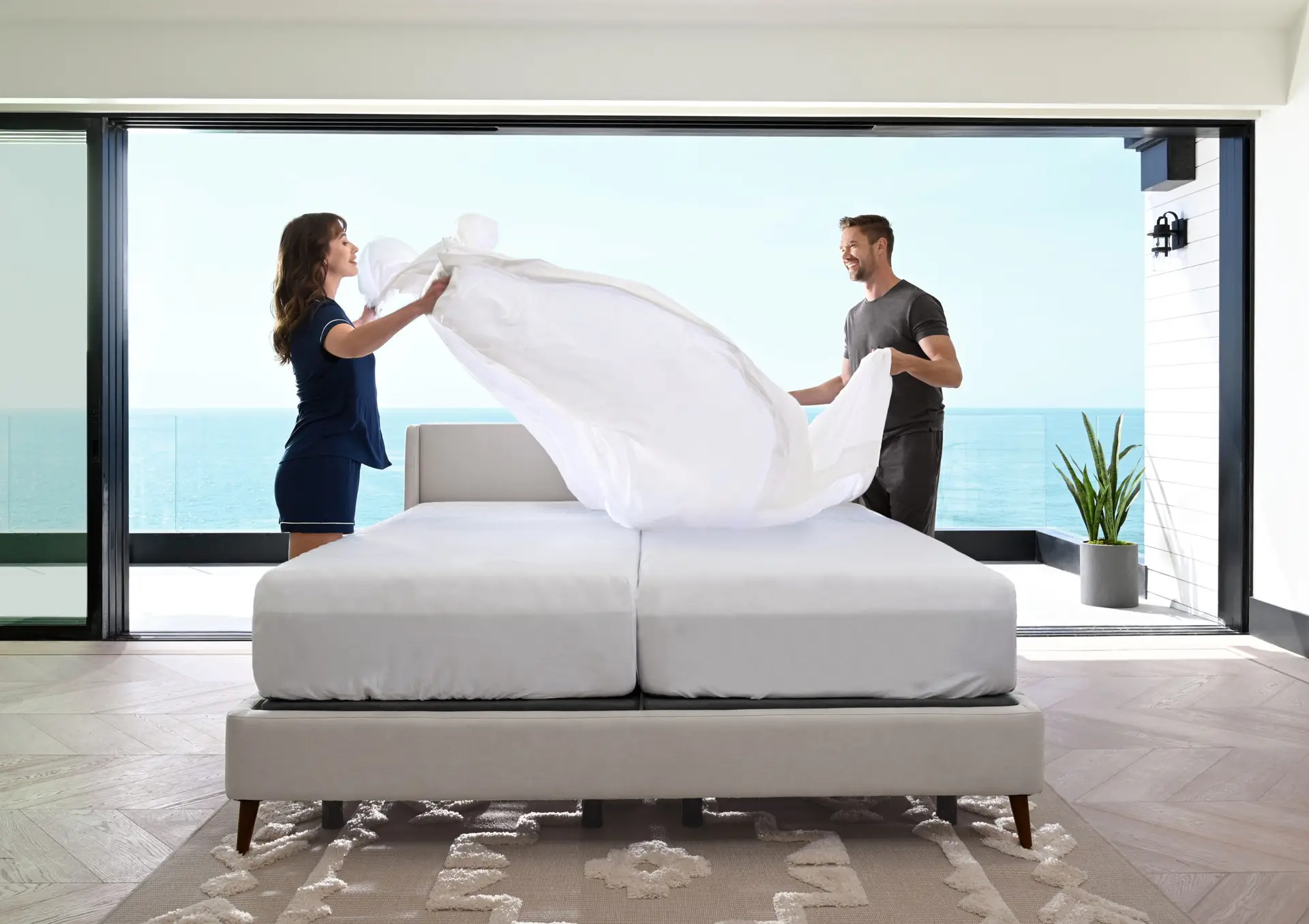
Choosing the right bed sheets can significantly impact your sleep quality and overall comfort. With a plethora of options available, understanding the various materials, thread counts, and weaves is essential for making an informed decision. This guide will help you navigate the complexities of bed sheets, ensuring you select the best options for your needs. From the benefits of different fabrics to the importance of thread count, we will cover everything you need to know to enhance your sleeping experience. Additionally, we will explore eco-friendly options and how to choose sheets that cater to specific sleeping preferences.
Indeed, navigating the vast array of product information, such as fiber content, can often complicate rather than simplify the decision-making process for consumers.
Bed Linen Buying Guide: Fiber Content & Consumer Decisions Sometimes the product information that are available (eg the fiber content of textile products), contribute to confusion rather than to facilitate product decisions An exploratory investigation into the role of extrinsic factors in consumer decision-making for interior soft furnishings, AC Erasmus, 2005
What Are the Best Bed Sheet Fabrics for Different Needs?
When it comes to bed sheets, the fabric plays a crucial role in comfort, durability, and maintenance. Different materials offer unique benefits, making it essential to choose the right one based on your personal preferences and needs. Common fabrics include cotton, bamboo, and microfiber, each with its own set of characteristics.
| Material | Benefits | Price Range |
|---|---|---|
| Cotton | Breathable, durable, and soft | $20 – $150 |
| Bamboo | Eco-friendly, moisture-wicking, and soft | $30 – $150 |
| Microfiber | Affordable, wrinkle-resistant, and durable | $15 – $60 |
Understanding these differences can help you select the best sheets for your sleeping environment. For those looking for a luxurious feel, high-quality cotton sheets are often recommended.
How Do Cotton and Bamboo Bedding Compare in Comfort and Sustainability?
Cotton and bamboo are two popular choices for bed sheets, each offering distinct advantages. Cotton is known for its breathability and softness, making it a favorite among many. It is also durable and can withstand frequent washing. On the other hand, bamboo sheets are celebrated for their eco-friendliness and moisture-wicking properties, which help keep you cool and dry throughout the night.
Further research highlights the inherent breathability of bamboo fabric, making it an excellent choice for maintaining comfort in warmer conditions.
Breathable Fabrics for Bed Sheets: Bamboo & Comfort Ventile was the first reported breathable woven fabric by Shirley institute UK. The fabric was cool and comfortable in the hot weather (4). Bamboo fabric is breathable, cool, has fast 5 A Review on Breathable Fabrics Part–I: Fabric Construction, SB Vhanbatte, 2022
In terms of sustainability, bamboo is often considered the more environmentally friendly option, as it requires less water and pesticides to grow compared to conventional cotton. However, high-quality organic cotton can also be a sustainable choice if sourced responsibly.
What Are the Benefits of Organic Bed Sheets?
Organic bed sheets are made from cotton that is grown without the use of synthetic pesticides or fertilizers. This not only benefits the environment but also reduces the exposure of harmful chemicals to your skin. The benefits of organic bed sheets include:
- Healthier Sleep Environment: Organic sheets are free from harmful chemicals, making them safer for sensitive skin.
- Sustainability: Organic farming practices are better for the environment, promoting biodiversity and reducing pollution.
- Durability: Organic cotton is often more durable than conventional cotton, leading to longer-lasting sheets.
Investing in organic bed sheets can enhance your sleep quality while supporting sustainable practices.
How Important Is Thread Count When Choosing Bed Sheets?
Thread count refers to the number of threads woven into one square inch of fabric. It is often used as a measure of quality, but its importance can be misunderstood. A higher thread count can indicate a denser fabric, which may feel softer and more luxurious. However, it is not the only factor to consider when choosing bed sheets.
What Thread Count Range Offers the Best Balance of Softness and Durability?
For most consumers, a thread count between 300 and 600 strikes the best balance between softness and durability. Sheets within this range tend to be comfortable and long-lasting without being overly heavy.
Does Higher Thread Count Always Mean Better Quality Sheets?
Not necessarily. While a higher thread count can enhance the feel of the sheets, it does not always equate to better quality. Factors such as the type of cotton used, the weave, and the finishing processes also play significant roles in the overall quality of bed sheets. Therefore, it is essential to consider these aspects alongside thread count when making your selection.
What Are the Differences Between Sateen and Percale Sheets?
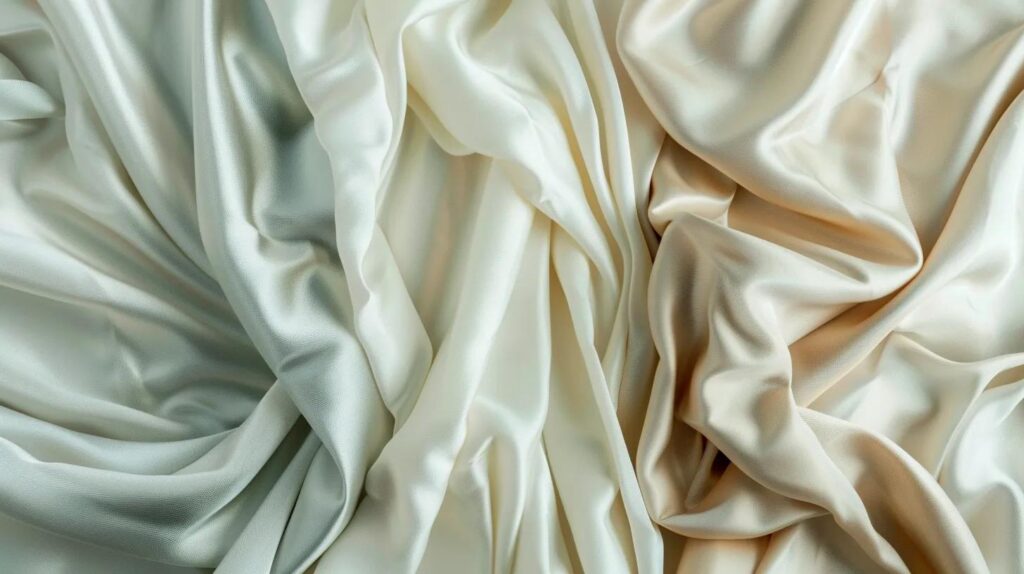
Sateen and percale are two common weave types that affect the feel and breathability of bed sheets. Understanding these differences can help you choose the right sheets for your sleeping style.
How Do Weave Types Affect Sheet Feel and Breathability?
Sateen weave creates a smooth, lustrous finish that feels soft against the skin. It is typically heavier and warmer, making it ideal for cooler climates. In contrast, percale weave is crisp and breathable, providing a lightweight feel that is perfect for hot sleepers.
Understanding the thermal properties and breathability of different weaves is crucial, as these characteristics directly influence the comfort and support provided by sleep textiles.
Sleep Support Textiles: Thermal Properties & Breathability determining the characteristics of the yarn, woven fabric, or knitted surface produced from wool indispensable include its thermal properties, breathability, ability to absorb and retain RESEARCH ON SLEEP SUPPORT TEXTILE PRODUCTS
Which Weave Type Is Best for Hot Sleepers or Sensitive Skin?
For hot sleepers, percale sheets are often recommended due to their breathability and moisture-wicking properties. They help regulate body temperature, ensuring a comfortable night’s sleep. On the other hand, those with sensitive skin may prefer sateen sheets for their soft texture, which reduces friction and irritation.
How Can You Identify and Choose Eco-Friendly and Hypoallergenic Sheets?
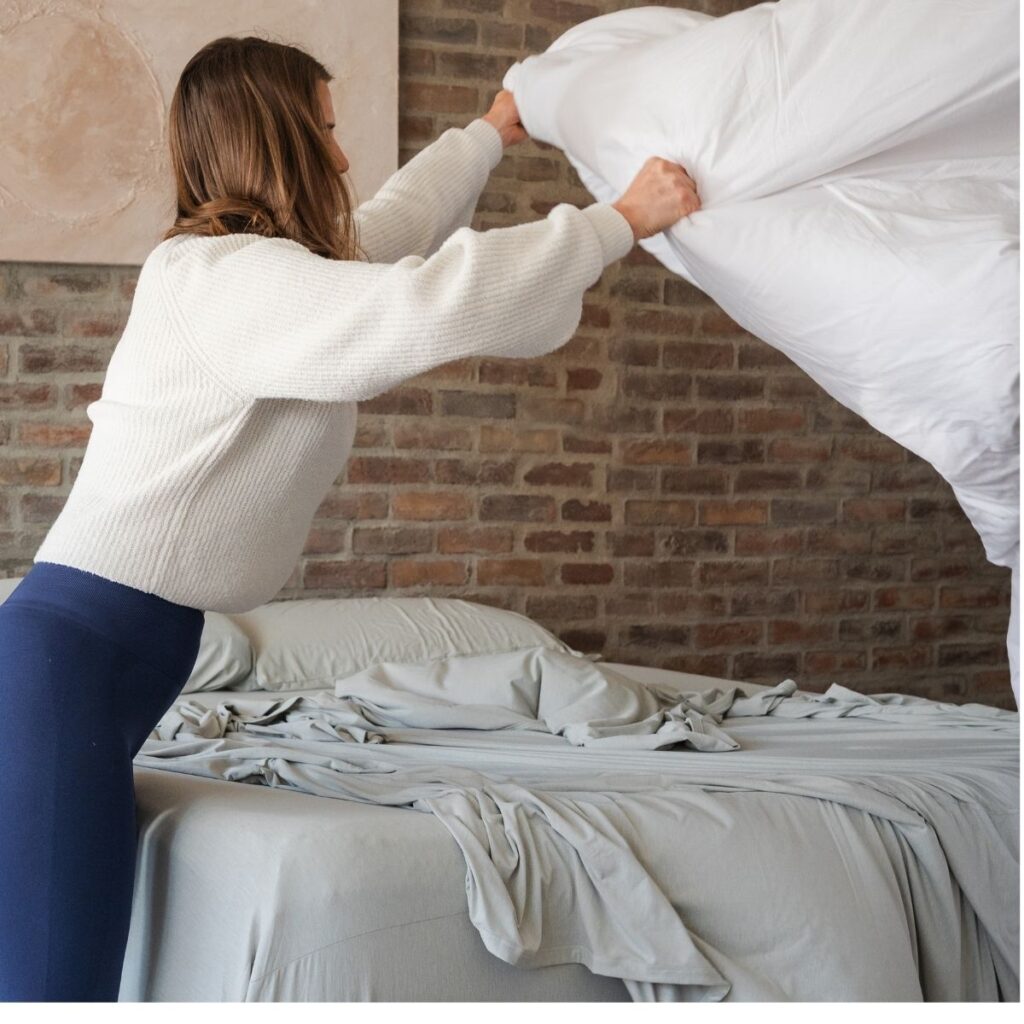
Selecting eco-friendly and hypoallergenic sheets is essential for those concerned about their health and the environment.
What Materials Are Considered Sustainable and Hypoallergenic?
Materials such as organic cotton, bamboo, and linen are considered both sustainable and hypoallergenic. These fabrics are less likely to cause allergic reactions and are produced with minimal environmental impact.
How Do Care Instructions Affect Sheet Longevity and Eco-Friendliness?
Proper care can significantly extend the life of your bed sheets. Washing in cold water and avoiding harsh detergents can help maintain the integrity of the fabric. Additionally, air drying instead of using a dryer can reduce energy consumption and prolong the lifespan of your sheets.
What Are the Best Bed Sheets for Different Sleepers and Preferences?
Different sleeping styles and preferences require specific types of sheets to ensure optimal comfort.
Which Sheets Are Ideal for Hot Sleepers?
For hot sleepers, breathable materials like percale cotton or bamboo are ideal. These fabrics allow for better airflow and moisture-wicking, keeping you cool throughout the night.
What Sheets Suit Sensitive Skin or Allergy-Prone Users?
Individuals with sensitive skin or allergies should opt for hypoallergenic materials such as organic cotton or bamboo. These fabrics are less likely to irritate the skin and are often treated without harmful chemicals.
Conclusion
Choosing the right bed sheets can greatly enhance your sleep quality and overall comfort, with options like organic cotton and bamboo providing both luxury and sustainability. Understanding the differences in materials, thread counts, and weaves empowers you to make informed decisions tailored to your sleeping preferences. By investing in high-quality sheets, you not only improve your sleep environment but also support eco-friendly practices. Explore our curated selection of premium bed sheets today to find the perfect fit for your needs.
Frequently Asked Questions
What is the best way to care for bed sheets to ensure their longevity?
To extend the life of your bed sheets, it’s essential to follow proper care instructions. Wash sheets in cold water to prevent shrinking and fading, and use a gentle detergent free from harsh chemicals. Avoid using bleach, as it can weaken fibers over time. Tumble dry on low heat or air dry to minimize wear. Additionally, rotating your sheets regularly can help prevent excessive wear on any single set, ensuring they remain comfortable and durable for longer periods.
How often should I replace my bed sheets?
It’s generally recommended to replace bed sheets every 2 to 3 years, depending on their quality and usage. However, if you notice signs of wear such as fraying, fading, or a loss of softness, it may be time to invest in a new set. Additionally, if you have allergies or skin sensitivities, consider replacing sheets more frequently to maintain a clean and healthy sleeping environment. Regular washing and proper care can also help extend their lifespan.
Are there specific bed sheets recommended for children?
When choosing bed sheets for children, opt for materials that are soft, breathable, and hypoallergenic. Organic cotton or bamboo sheets are excellent choices as they are gentle on sensitive skin and free from harmful chemicals. Additionally, consider the thread count; a range of 200 to 400 is typically comfortable for children. Fun patterns and colors can also make bedtime more enjoyable, encouraging kids to take an interest in their sleeping environment.
What should I consider when buying sheets for a guest room?
When selecting sheets for a guest room, prioritize comfort and ease of care. Choose materials like cotton or microfiber that are soft and durable. A thread count between 300 and 600 is ideal for a luxurious feel. Additionally, consider neutral colors or simple patterns that appeal to a wide range of tastes. Having multiple sets available allows for easy washing and quick changes between guests, ensuring a fresh and welcoming environment for visitors.
Can I mix and match different sheet materials and styles?
Yes, mixing and matching different sheet materials and styles can create a unique and personalized bedding arrangement. However, it’s essential to consider the overall comfort and functionality. For instance, pairing a soft sateen sheet with a breathable percale top sheet can provide both luxury and comfort. Just ensure that the materials are compatible in terms of care instructions and feel, as this will help maintain the quality and longevity of your bedding.
What are the benefits of using bed sheets with moisture-wicking properties?
Bed sheets with moisture-wicking properties are designed to draw moisture away from the body, keeping you dry and comfortable throughout the night. This is particularly beneficial for hot sleepers or those who experience night sweats. Fabrics like bamboo and certain types of cotton are known for their moisture-wicking abilities. By regulating body temperature and reducing humidity, these sheets can enhance sleep quality and prevent discomfort caused by excessive moisture.