

Choosing the right pillow is essential for achieving a restful night’s sleep and maintaining overall health. With a myriad of options available, understanding the various types of pillows and their specific benefits can help you make an informed decision. This guide will explore the key factors to consider when selecting a pillow, including types, materials, and how they relate to your sleep position. Many people struggle with discomfort and poor sleep quality due to inadequate pillow support. By understanding your unique needs, you can find the perfect pillow that enhances your sleep experience. We will cover the different pillow types, how sleep positions influence your choice, the importance of firmness and loft, and best practices for pillow care.
Which Pillow Types Offer the Best Comfort and Support?
When it comes to pillows, the type you choose can significantly impact your comfort and support during sleep. Different materials offer unique benefits that cater to various preferences and needs. Understanding these differences can help you select the best pillow for your sleep style.
What Are the Benefits of Memory Foam, Latex, Down, and Polyester Pillows?
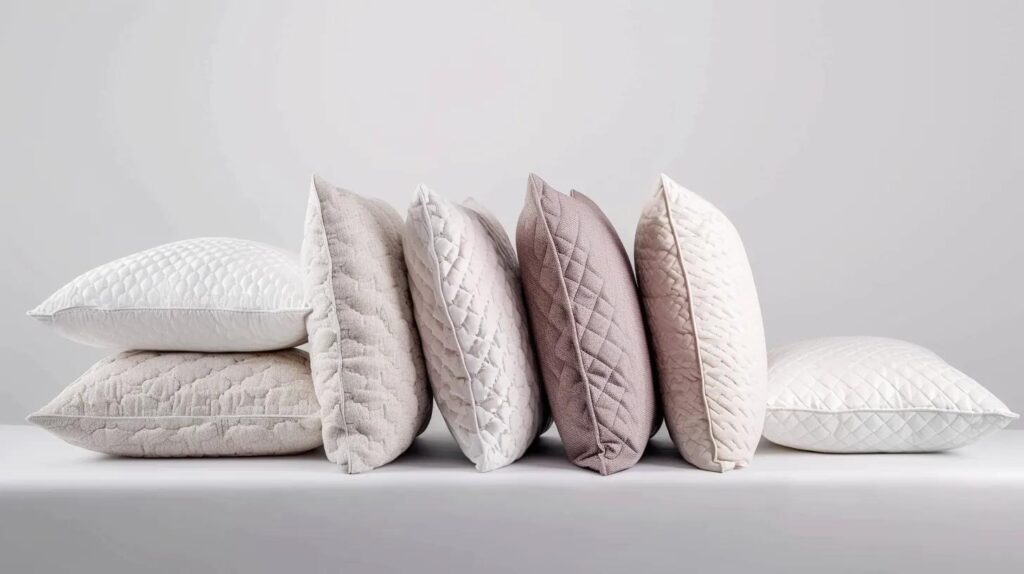
Memory foam pillows are known for their ability to contour to the shape of your head and neck, providing personalized support that can alleviate pressure points. Latex pillows offer a responsive feel with excellent bounce and support, making them ideal for those who prefer a more resilient surface. Down pillows are soft and luxurious, providing a plush feel that many find comforting, while polyester pillows are often more affordable and lightweight, making them a popular choice for budget-conscious shoppers. Each type has its unique advantages, allowing you to choose based on your specific comfort needs.
How Do Pillow Materials Affect Sleep Quality and Comfort?
The materials used in pillows can greatly influence sleep quality. For instance, memory foam is known for its breathability and ability to regulate temperature, which can enhance comfort for hot sleepers. Latex is naturally hypoallergenic, making it a great option for allergy sufferers. Down pillows, while soft, may require more maintenance to keep them clean and fluffy. Polyester pillows are generally easy to care for but may not offer the same level of support as other materials. Understanding these properties can help you select a pillow that not only feels good but also supports your health.
How Do Sleep Positions Influence Your Pillow Choice?

Your sleep position plays a crucial role in determining the type of pillow that will provide the best support. Different positions require varying levels of loft and firmness to maintain proper spinal alignment and comfort throughout the night.
What Is the Best Pillow for Side Sleepers, Back Sleepers, and Stomach Sleepers?
For side sleepers, a firmer pillow with higher loft is recommended to fill the gap between the head and shoulders, ensuring proper alignment of the spine. Back sleepers typically benefit from a medium-loft pillow that supports the natural curve of the neck. Stomach sleepers, on the other hand, should opt for a softer, lower-loft pillow to prevent neck strain. Each position has its unique requirements, and selecting the right pillow can significantly enhance sleep quality.
Further research highlights the critical role of personalized pillow height and neck support in enhancing sleep quality and preventing cervical symptoms for side sleepers.
Personalized Pillow Height & Neck Support for Side Sleepers An optimal pillow effectively increases sleep quality and prevents cervical symptoms. However, the influence of body dimension on optimal pillow design or selection strategy has not been clarified quantitatively. This study aims to investigate the individualized optimal pillow height and neck support for side sleepers. Nine healthy subjects were recruited and laid laterally on foam-latex pillow with four height levels (8 cm, 10 cm, 12 cm, 14 cm) and with/without neck support, respectively. The individualized optimal pillow height and neck support design for side sleepers, 2025
How Does Pillow Loft and Firmness Vary by Sleep Position?
Pillow loft refers to the height of the pillow, while firmness indicates how much resistance it provides when pressure is applied. Side sleepers generally need higher loft and firmer pillows to keep their spine aligned, while back sleepers benefit from medium loft and firmness. Stomach sleepers require lower loft and softer pillows to avoid neck strain. Understanding these variations can help you choose a pillow that meets your specific needs based on your preferred sleep position.
How to Choose Pillow Firmness and Loft for Optimal Neck and Spine Support?
Selecting the right firmness and loft is essential for maintaining neck and spine support during sleep. The ideal pillow should align your head and neck with your spine, reducing the risk of discomfort and pain.
What Firmness Levels Are Recommended for Neck Pain Relief?
For individuals experiencing neck pain, a medium to firm pillow is often recommended. This level of firmness provides adequate support while allowing for some contouring to the neck’s natural curve. Soft pillows may not offer enough support, while overly firm pillows can create additional strain. It’s important to consider personal preferences and sleeping positions when selecting the right firmness level.
How Does Pillow Height Affect Spinal Alignment?
Pillow height, or loft, is crucial for spinal alignment. A pillow that is too high can cause the neck to bend unnaturally, leading to discomfort and pain. Conversely, a pillow that is too low may not provide adequate support, resulting in poor alignment. Adjustable pillows that allow you to customize the height can be particularly beneficial for achieving optimal spinal alignment.
Which Pillow Materials Provide Cooling and Allergy-Friendly Benefits?
Choosing the right materials can enhance your sleep experience, especially if you are prone to allergies or tend to sleep hot. Certain materials offer cooling properties and hypoallergenic benefits that can improve overall comfort.
What Are the Best Cooling Pillow Technologies for Hot Sleepers?
Cooling pillows often incorporate technologies such as gel-infused memory foam or phase change materials that help regulate temperature. These materials draw heat away from the body, keeping you cool throughout the night. Additionally, breathable covers made from natural fibers can enhance airflow, further promoting a comfortable sleep environment for hot sleepers.
How Do Hypoallergenic Materials Help Allergy Sufferers?
Hypoallergenic materials, such as latex and certain synthetic fibers, resist dust mites and other allergens, making them ideal for allergy sufferers. These materials can help reduce allergy symptoms and promote a healthier sleep environment. Choosing pillows made from hypoallergenic materials can significantly improve sleep quality for those with sensitivities.
What Are the Best Practices for Pillow Care, Maintenance, and Replacement?
Proper care and maintenance of your pillow can extend its lifespan and ensure optimal hygiene. Understanding when and how to replace your pillow is also crucial for maintaining a healthy sleep environment.
How Often Should You Replace Your Pillow for Optimal Hygiene?
It is generally recommended to replace pillows every 1-3 years, depending on the material and usage. Over time, pillows can accumulate allergens, dust mites, and bacteria, which can negatively impact sleep quality and health. Regularly replacing your pillow helps maintain a clean and supportive sleep surface.
What Are Effective Pillow Cleaning and Maintenance Tips?
To keep your pillows in good condition, follow these maintenance tips:
- Regular Washing: Check the care label and wash pillows according to the manufacturer’s instructions to remove dust and allergens.
- Drying: Ensure pillows are thoroughly dried after washing to prevent mold and mildew growth.
- Storage: Store pillows in a cool, dry place to maintain their shape and prevent damage.
Implementing these practices can help prolong the life of your pillows and ensure a healthier sleep environment.
How to Select Specialty Pillows for Neck Pain, Allergies, and Travel?
Specialty pillows are designed to address specific needs, such as neck pain relief, allergies, or travel comfort. Understanding the options available can help you choose the right specialty pillow for your situation.
Which Pillows Are Best for Neck Pain and Ergonomic Support?
Pillows designed for neck pain often feature ergonomic designs that support the natural curvature of the neck. Contoured memory foam pillows are popular choices, as they provide targeted support and help maintain spinal alignment. Adjustable pillows that allow you to customize the loft can also be beneficial for those with specific neck pain issues.
What Are the Benefits of Travel and Allergy-Friendly Pillows?
Travel pillows are typically compact and designed for portability, making them ideal for use on planes or in cars. Allergy-friendly pillows made from hypoallergenic materials can help reduce exposure to allergens while traveling. These pillows often feature breathable covers and are easy to clean, ensuring a comfortable and hygienic sleep experience on the go.
Conclusion
Choosing the right pillow is crucial for enhancing your sleep quality and overall well-being. By understanding the various types, materials, and how they relate to your sleep position, you can make an informed decision that supports your unique needs. Explore our comprehensive selection of pillows designed to provide optimal comfort and support tailored to your preferences. Start your journey to better sleep today by finding the perfect pillow for you.
Frequently Asked Questions
What factors should I consider when choosing a pillow for neck pain?
When selecting a pillow for neck pain, consider firmness, loft, and material. A medium to firm pillow is often recommended to provide adequate support while contouring to the neck’s natural curve. Additionally, look for pillows with ergonomic designs or adjustable loft options, as these can help maintain proper spinal alignment. It’s also essential to consider your sleep position, as side sleepers may require different support compared to back or stomach sleepers. Personal comfort preferences play a crucial role as well.
Are there specific pillows recommended for allergy sufferers?
Yes, allergy sufferers should look for pillows made from hypoallergenic materials such as latex or certain synthetic fibers. These materials resist dust mites and other allergens, helping to create a healthier sleep environment. Additionally, pillows with removable and washable covers can further reduce allergen accumulation. It’s also beneficial to choose pillows that are easy to clean and maintain, ensuring that they remain free from allergens over time.
How can I determine the right pillow height for my sleep position?
The right pillow height, or loft, varies by sleep position. Side sleepers typically need a higher loft to fill the gap between the head and shoulders, while back sleepers benefit from a medium loft that supports the natural curve of the neck. Stomach sleepers should opt for a lower loft to prevent neck strain. To find the ideal height, consider trying adjustable pillows that allow you to customize the loft according to your comfort and support needs.
What are the signs that I need to replace my pillow?
Signs that you need to replace your pillow include visible wear and tear, such as lumps or flattened areas, which can indicate a loss of support. Additionally, if you wake up with neck or shoulder pain, it may be a sign that your pillow is no longer providing adequate support. Accumulation of allergens, dust mites, or unpleasant odors can also signal the need for replacement. Generally, it’s recommended to replace pillows every 1-3 years, depending on the material and usage.
What are the advantages of using a travel pillow?
Travel pillows offer several advantages, including portability and convenience. They are typically designed to be compact and lightweight, making them easy to carry on planes, trains, or in cars. Many travel pillows are also designed to provide ergonomic support, helping to maintain comfort during long journeys. Additionally, some travel pillows are made from hypoallergenic materials, ensuring a cleaner sleep environment while on the go. Their easy-to-clean covers also make them practical for travel use.
How do I properly clean and maintain my pillow?
To clean and maintain your pillow, start by checking the care label for specific washing instructions. Most pillows can be machine washed, but it’s essential to ensure they are thoroughly dried afterward to prevent mold and mildew. Regularly fluffing your pillow can help maintain its shape and support. Additionally, using a pillow protector can help keep your pillow clean and extend its lifespan. Store pillows in a cool, dry place to prevent damage and maintain hygiene.