

Choosing the right mattress thickness is crucial for achieving optimal comfort and support during sleep. With various options available, understanding the significance of mattress height can help you make an informed decision tailored to your sleeping style and body type. This guide will explore the concept of mattress thickness, its impact on comfort, and how to select the ideal height for your needs. We will also discuss the compatibility of different mattress thicknesses with various bed frames and the latest trends in mattress design. By the end of this article, you will have a comprehensive understanding of mattress thickness and how it relates to your sleep health.
What Is Mattress Thickness and Why Does It Matter?
Mattress thickness refers to the overall height of a mattress, which can significantly influence comfort and support. A thicker mattress often provides more cushioning and support, while a thinner mattress may feel firmer and less accommodating. The importance of mattress thickness lies in its direct correlation with sleep quality; an appropriate thickness can enhance comfort, promote proper spinal alignment, and reduce pressure points. Understanding how mattress thickness affects your sleep experience is essential for selecting the right mattress for your needs.
How Is Mattress Thickness Measured?
Mattress thickness is typically measured from the bottom of the mattress to the top of the sleeping surface. This measurement can vary based on the materials used and the construction of the mattress. Common methods of measuring include using a tape measure or ruler to ensure accuracy. Variations in measurement methods may occur due to the inclusion of mattress toppers or additional layers, which can add to the overall height. Accurate measurement is crucial for ensuring compatibility with bed frames and achieving the desired comfort level.
How Does Mattress Thickness Affect Comfort and Support?
The relationship between mattress thickness and comfort is significant. Thicker mattresses often contain multiple layers of materials, such as memory foam, latex, or innerspring coils, which contribute to enhanced comfort levels. While sleep quality can be subjective, many individuals sleeping on thicker mattresses report improved comfort. Additionally, thicker mattresses provide better support for the spine, helping to maintain proper alignment and alleviate pressure on sensitive areas. This support mechanism is particularly beneficial for those with specific sleep needs or health concerns.
Research further emphasizes the intricate relationship between mattress design and human biomechanics, highlighting the importance of customization for optimal sleep health.
Mattress Biomechanics: Comfort, Health & Customization Sleeping mattress parameters significantly influence sleeping comfort and health, as reflected by the extensive investigations of sleeping support biomechanics to prevent sleep-related musculoskeletal problems. The review demonstrated that mattress designs have strived for customization, regional features, and real-time active control to adapt to the biomechanical features of different body builds and postures. Sleeping mattress determinants and evaluation: A biomechanical review and critique, DWC Wong, 2019
What Is the Ideal Mattress Thickness for Different Sleeper Types?
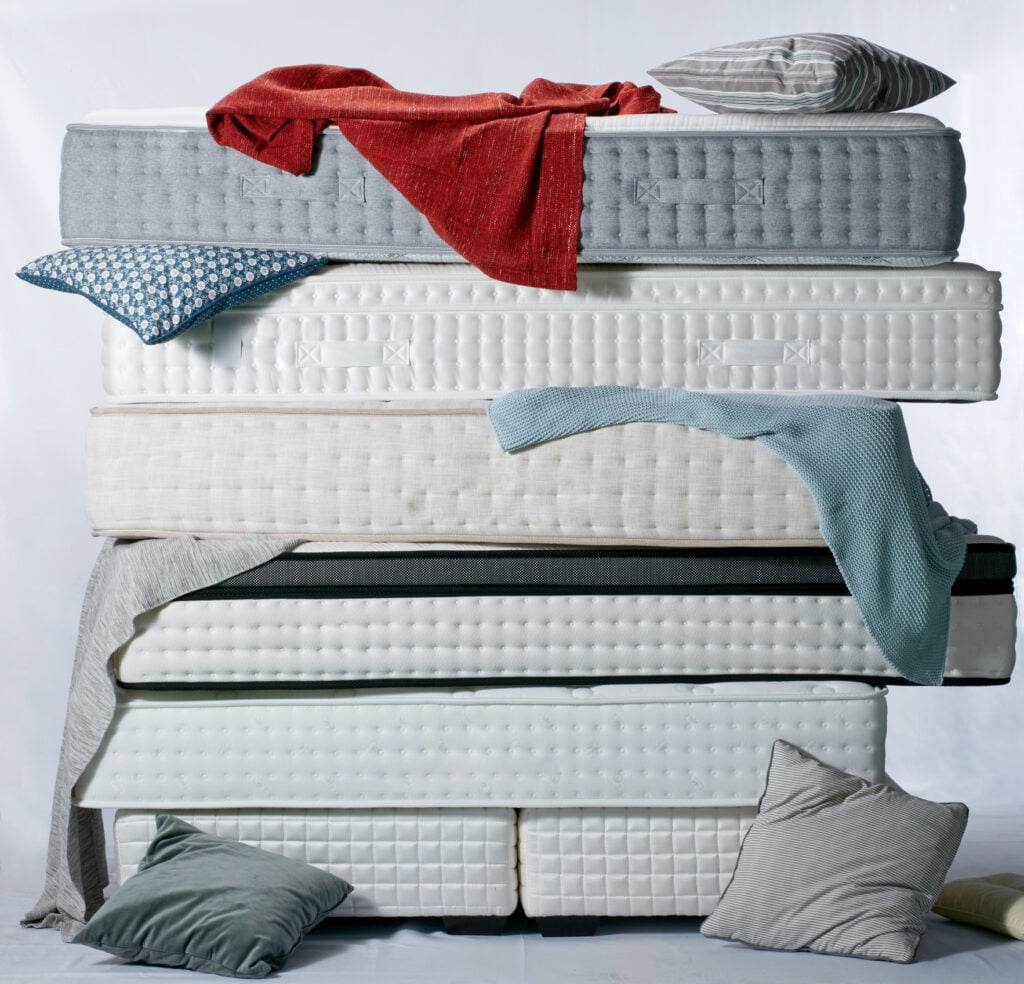
Different sleeper types require varying mattress thicknesses to ensure optimal comfort and support. Understanding these needs can help you select the best mattress for your sleeping style.
Which Mattress Thickness Is Best for Side Sleepers?
For side sleepers, a mattress thickness of 10 to 14 inches is generally recommended. This thickness allows for adequate cushioning around the shoulders and hips, promoting proper spinal alignment. A thicker mattress can help alleviate pressure points, reducing the risk of discomfort during the night. Side sleepers benefit from materials that contour to the body, such as memory foam or hybrid mattresses, which provide both support and comfort.
How Does Mattress Height Vary for Back and Stomach Sleepers?
Back sleepers typically require a mattress thickness of 10 to 12 inches, while stomach sleepers may prefer a slightly thinner mattress, around 8 to 10 inches. Back sleepers benefit from a medium-firm mattress that supports the natural curvature of the spine, while stomach sleepers need a firmer surface to prevent sinking, which can lead to misalignment. Understanding these differences is crucial for selecting a mattress that meets your specific needs.
This emphasis on tailored support aligns with research suggesting that a medium-firm, customizable mattress is often ideal for promoting sleep quality and proper spinal alignment.
Optimal Mattress Firmness for Sleep Quality & Spinal Alignment Results of this systematic review show that a mattress that is subjectively identified as a medium-firm mattress and is custom inflated (self-adjusted) is optimal for promoting sleep comfort, quality, and spinal alignment in adults with or without back pain. Effect of different mattress designs on promoting sleep quality, pain reduction, and spinal alignment in adults with or without back pain; systematic review of controlled …, A Radwan, 2015
How Does Mattress Thickness Affect Bed Frame Compatibility?
The compatibility of a mattress with a bed frame is influenced by its thickness. Ensuring that your mattress fits well with your chosen bed frame is essential for stability and support.
What Mattress Height Works Best with Adjustable Beds?
For adjustable beds, a mattress thickness of 10 to 12 inches is ideal. This height allows for flexibility and movement without compromising comfort. Thicker mattresses may not bend as easily, which can affect the functionality of adjustable bases. Choosing the right thickness ensures that the mattress can adapt to various positions while providing adequate support.
Which Mattress Thickness Suits Platform and Other Bed Frames?
Platform beds typically accommodate mattresses ranging from 8 to 12 inches in thickness. A mattress that is too thick may create an awkward height, while a mattress that is too thin may not provide sufficient support. It’s essential to consider the design of your bed frame and the overall aesthetic when selecting the appropriate mattress thickness.
What Mattress Thickness Is Recommended for Special Populations?
Certain populations may have specific needs regarding mattress thickness to ensure comfort and support.
How Thick Should a Mattress Be for Heavy People?
For heavier individuals, a mattress thickness of at least 12 inches is recommended. This thickness provides the necessary support and durability to accommodate increased weight without compromising comfort. A thicker mattress often features high-density foam or robust innerspring systems that can withstand additional pressure, ensuring a restful night’s sleep.
What Mattress Height Is Ideal for Kids and the Elderly?
For children, a mattress thickness of 6 to 8 inches is generally sufficient, as they require less support than adults. For the elderly, a thickness of 10 to 12 inches is recommended to provide adequate cushioning and support for joints and pressure points. Ensuring the right thickness for these populations can enhance comfort and promote better sleep quality.
How to Choose the Right Mattress Thickness for You?
Selecting the appropriate mattress thickness involves considering several factors that influence comfort and support.
What Factors Should You Consider When Selecting Mattress Height?
When choosing mattress height, consider your sleeping position, body weight, and personal comfort preferences. Additionally, think about any specific health concerns, such as back pain or joint issues, that may require additional support. Testing different thicknesses in-store can also help you determine what feels best for your body.
How to Use a Mattress Thickness Chart for Comparison?
Using a mattress thickness chart can help you compare different options based on your needs. Look for charts that outline recommended thicknesses for various sleeper types and body weights. This visual aid can simplify the decision-making process and ensure you select a mattress that meets your specific requirements.
What Are the Latest Trends and Health Benefits Related to Mattress Thickness?
Recent trends in mattress design have focused on enhancing comfort and support through innovative materials and construction techniques.
Why Are Thicker Mattresses Gaining Popularity in Hybrid and Adjustable Beds?
Thicker mattresses are becoming increasingly popular in hybrid and adjustable bed designs due to their ability to provide superior comfort and support. These mattresses often incorporate advanced materials that enhance sleep quality, making them a preferred choice for many consumers. The trend towards thicker mattresses reflects a growing awareness of the importance of sleep health and the role that mattress design plays in achieving it.
How Does Mattress Height Influence Sleep Health and Pressure Relief?
Research indicates that mattress height can significantly impact sleep health and pressure relief. Thicker mattresses often provide better pressure distribution, reducing the risk of discomfort and promoting better sleep quality. By understanding the relationship between mattress thickness and sleep health, consumers can make informed choices that enhance their overall well-being.
Further studies delve into the specific forces and pressure points at the human-mattress interface, underscoring how proper design is crucial to prevent discomfort and promote healthy circulation.
Human-Mattress Interface: Forces, Pressure & Discomfort The vector forces at the human-mattress interface are not only crucial for understanding the distribution of vertical and shear forces exerted on the human body during sleep but also serves as a significant input for biomechanical models of sleeping positions, whose accuracy determines the credibility of predicting musculoskeletal system loads. Poor mattress design may lead to concentrated pressure on specific body parts, such as the hips, shoulders, and back, potentially affecting peripheral blood circulation and causing discomfort, including numbness and pain. Therefore, it is imperative to consider these forces for mattress design and evaluation. A method for calculating vector forces at human-mattress interface during sleeping positions utilizing image registration, 2024
| Mattress Type | Recommended Thickness | Benefits |
|---|---|---|
| Side Sleepers | 10-14 inches | Alleviates pressure on shoulders and hips |
| Back Sleepers | 10-12 inches | Supports spinal alignment |
| Stomach Sleepers | 8-10 inches | Prevents sinking and misalignment |
| Heavy Individuals | 12+ inches | Provides durability and support |
| Kids | 6-8 inches | Adequate support for growing bodies |
| Elderly | 10-12 inches | Enhances comfort and reduces pressure points |
Choosing the right mattress thickness is essential for achieving optimal comfort and support. By considering your sleeping style, body weight, and specific needs, you can select a mattress that enhances your sleep quality and overall well-being.
Conclusion
Choosing the right mattress thickness is vital for enhancing your sleep quality and overall well-being. By understanding the specific needs of different sleeper types and the compatibility with various bed frames, you can make an informed decision that promotes comfort and support. Explore our comprehensive range of mattresses to find the perfect fit for your unique sleeping style. Take the next step towards better sleep by browsing our collection today.
Frequently Asked Questions
What are the benefits of a thicker mattress?
A thicker mattress typically offers enhanced comfort and support due to its multiple layers of materials, such as memory foam or innerspring coils. These layers help distribute body weight more evenly, reducing pressure points and improving spinal alignment. Thicker mattresses are particularly beneficial for individuals with specific health concerns, as they provide better cushioning for sensitive areas. Additionally, they often have a longer lifespan, making them a worthwhile investment for long-term sleep health.
Can mattress thickness affect sleep temperature?
Yes, mattress thickness can influence sleep temperature. Thicker mattresses may retain more heat due to the additional layers of foam or padding, which can lead to a warmer sleeping environment. However, many modern mattresses incorporate cooling technologies, such as gel-infused memory foam or breathable materials, to mitigate heat retention. When selecting a mattress, consider your personal temperature preferences and look for options designed to promote airflow and temperature regulation for a more comfortable sleep experience.
How often should I replace my mattress based on thickness?
The lifespan of a mattress can vary based on its thickness and materials. Generally, thicker mattresses, especially those made with high-quality materials, can last longer than thinner ones. A good rule of thumb is to replace your mattress every 7 to 10 years, but this can depend on factors like usage, body weight, and overall wear. If you notice sagging, discomfort, or a decline in sleep quality, it may be time to consider a replacement, regardless of thickness.
Are there specific thickness recommendations for couples?
For couples, a mattress thickness of 10 to 14 inches is often recommended to accommodate varying body weights and sleeping positions. A thicker mattress can provide better motion isolation, which is crucial for minimizing disturbances when one partner moves during the night. Additionally, couples may benefit from mattresses that feature zoned support or dual firmness options, allowing each partner to enjoy personalized comfort while still sharing the same bed.
What should I know about mattress thickness and warranty?
When purchasing a mattress, it’s important to consider how thickness relates to warranty coverage. Many manufacturers offer warranties that vary based on mattress thickness and materials. Thicker mattresses often come with longer warranties, reflecting their durability and quality. Always read the warranty terms carefully to understand what is covered, including sagging or material defects, and ensure that the mattress thickness aligns with the manufacturer’s recommendations for optimal performance and longevity.
How does mattress thickness impact edge support?
Mattress thickness can significantly affect edge support, which is crucial for preventing sagging and providing a stable surface when sitting or sleeping near the edge. Thicker mattresses often have reinforced edges or higher-density foam that enhances edge support, making it easier to get in and out of bed. This feature is particularly important for individuals who may have mobility issues or prefer to utilize the full surface area of the mattress without feeling like they might roll off.